Storm Clouds Gather

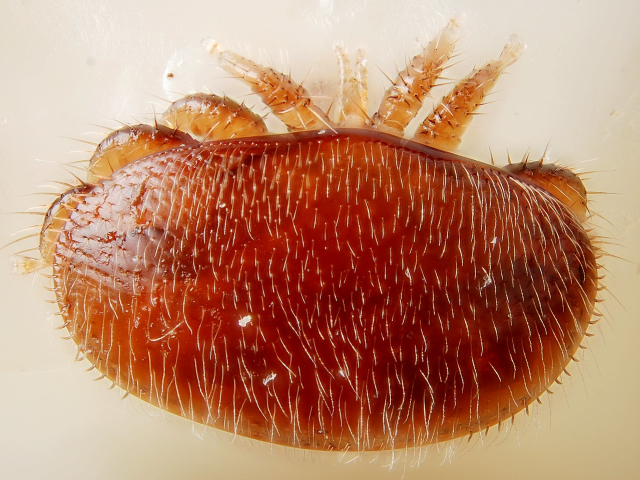
By Andrew Wootton With several varroa detections in metropolitan Melbourne and the Victorian varroa heat map looking like a Christmas pudding, we can safely assume that you either already have mites in your hive or will have this season.So it was encouraging to attend the Melbourne Section club meeting on the 29th January and see … Read more

Bendigo Branch Report

Reported positive Varroa mite tests represented by the yellow “present” hexagons on the BeeMAX Varroa map https://bees.agriculture.vic.gov.au/Public/Varroa are now joining up across Bendigo showing that Varroa is fairly widespread throughout Bendigo, surrounding districts in late January 2026 and, in my apiary. Either you have Varroa and have found it, have Varroa and don‘t know it, … Read more

Bee Bits February 2026

(Beyond Pesticides, January 29, 2026) A study of ecotoxicity risk from neonicotinoid insecticides, published in Environmental Chemistry and Ecotoxicology, finds that chemicals in this class of pesticides, particularly dinotefuron, increase the body temperature of Apis mellifera (European honey bee) and subsequently accelerate the translocation (movement) of contaminants into hives by the honey bees. The research … Read more

Miticide Resistance And How To Avoid It

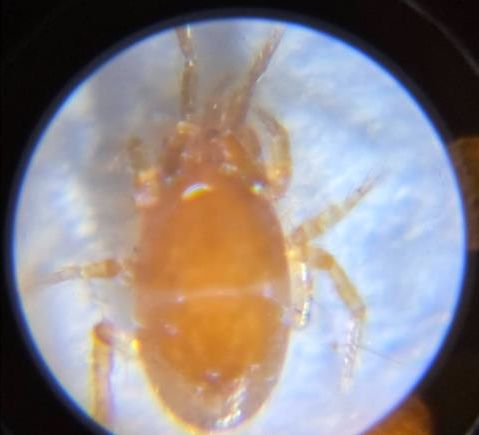
Extracts From The AHBIC January newsletter Do you know what miticide resistance is? Miticide resistance happens when some Varroa mites carry genetic traits that make them less likely to be killed by a specific chemical treatment. Within any mite population, there is natural variation — a few indi-viduals may, by chance, have genetic differences (e.g., … Read more

Let’s Stop Sugar Coating It: The Powdered Sugar Shake Is Not Harmless

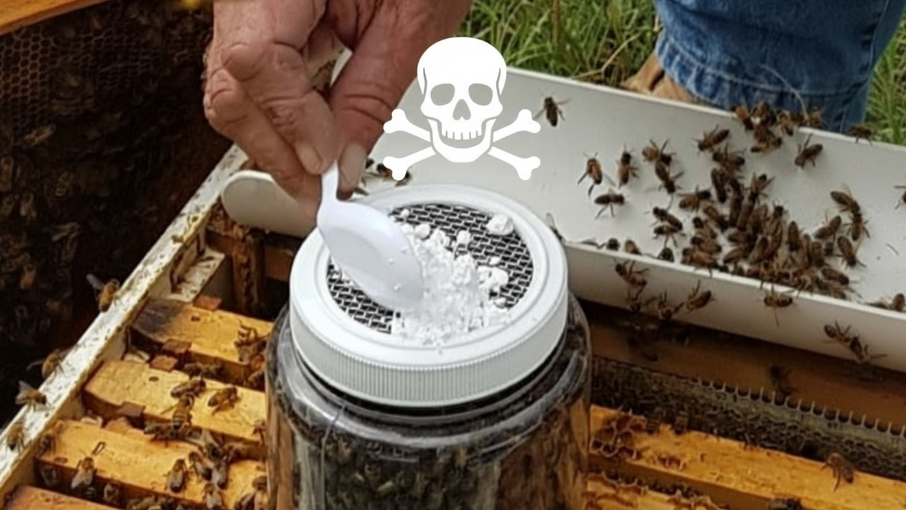
By Mike Allerton The powdered sugar shake has been widely promoted as the gentler option for monitoring Varroa destructor, especially among hobbyist beekeepers who feel uneasy about killing a small sample of bees in an alcohol or soapy water wash. For years, the assumption has been that bees walk away unharmed after being dusted with … Read more

Two Grams Good, Four Grams Better1

By Andrew Wootton We would all prefer to stick to the organic miticides. However, I’d like to discuss problems with the use of Api-Bioxal that limit its effectiveness. I’m not here to criticise the government (indeed, I’ve been proud to play my own small part in the varroa response and will continue doing everything I … Read more

New Varroa Treatment Approved

An emergency permit has been issued for Aluen CAP, an oxalic acid treatment which is applied using cellulose strips. There are no temperature limitations listed for this treatment and it can be used when honey supers are present. The treatment period is 42 days. The treatment level is four strips per eight to ten frame … Read more