
From Agriculture Victoria
Varroa mites resistant to pyrethroid chemicals have been detected in an apiary located in north-east Victoria. We are currently undertaking further analysis of samples with results expected at the end of the month.
This detection follows reports of varroa mites resistant to pyrethroid and formamidine [amitraz] chemicals (commonly used chemicals to control varroa mites) earlier this year in New South Wales and Queensland.
We wish to publicly acknowledge the leadership and integrity of a beekeeper who reported suspected miticide resistance in their apiary. The presence of pyrethroid-resistant mites in the apiary is not a result of individual actions, rather a product of broader circumstances in preceding months. Proactive monitoring and observation are hallmarks of good beekeeping and reporting something unusual is good for the entire industry.
Recommended actions for beekeepers:
- monitor mite levels regularly for early varroa detection and effective control. Treat only when thresholds are reached.
- adopt Integrated Pest Management (IPM) using cultural and mechanical controls, alongside chemical controls.
- monitor mite levels before, during and after miticide treatments and keep records of all treatments and mite monitoring.
- rotate varroa treatments with chemicals of different modes of action. Follow chemical labels and permit conditions.
If mite numbers continue to increase when using a synthetic treatment please contact the Exotic Plant Pest Hotline on 1800 084 881 or submit a report online through Agriculture Victoria website.
More information is available on the AHBIC website.
Early reporting rules out exotic bee mite threat
The early reporting of a suspect mite by a Victorian beekeeper has reinforced the critical role beekeepers play in protecting Australia‘s honey bee industry.
In early April, a beekeeper noticed an unusual mite on a distressed honey bee that had entered their home, and promptly reported the find through the Exotic Plant Pest Hotline. [See ―Mystery Mites‖ in our May 2026 issue for an account of this same incident]
Clear photographs were also shared within the local beekeeping community, allowing the report to be escalated quickly.
The images were reviewed by Agriculture Victoria‘s apiary team, who noted similarities with Tropilaelaps, a serious exotic mite, not present in Australia and regarded internationally as a major threat to honey bees.
―Anything that looks remotely like Tropilaelaps is treated with urgency,‖ notes Dr Stephen Dibley, acting Chief Plant Health Officer at Agriculture Victoria. ―Early reporting gives us the best possible chance to assess the risk quickly and take action if needed.‖
Biosecurity officers contacted the beekeeper the same day and attended the property to collect samples and undertake tracing, including hive movements and recent management practices. Samples of the mite, bees from an alcohol wash, and bottom board material were delivered to Agriculture Victoria‘s AgriBio laboratories for detailed examination.
Initial microscopic analysis indicated the mite did not match Tropilaelaps, but further testing was undertaken to rule it out conclusively.
―Our laboratories apply a rigorous, multistep diagnostic process,‖ Dr Dibley explains. ―Even when early signs are reassuring, we don‘t stop there. We use specialist expertise and multiple methods to make sure we‘re confident in the outcome.‖
While DNA testing was inconclusive for species identification due to environmental contamination, expert morphological assessment and exclusion testing confirmed the mite was not Tropilaelaps and posed no exotic pest threat.
The beekeeper was informed of the result and thanked for their vigilance.
―This is a really positive biosecurity story,‖ Dr Dibley reports. ―It shows how alert beekeepers, rapid reporting, and strong coordination between industry, field staff and laboratories protect the entire sector.‖
Australia‘s freedom from many exotic bee pests depends on constant surveillance and swift action when something unusual is detected.
―Beekeepers are our eyes on the ground,‖ Dr Dibley advises, ―if you see something that doesn‘t look right, reporting it early protects your own hives and the broader industry.‖
If you see unusual mites, larvae, unexplained symptoms or abnormal hive losses call the Exotic Plant Pest Hotline on 1800 084 881 or submit a report through your state biosecurity website.
Reminder: honey culture tests
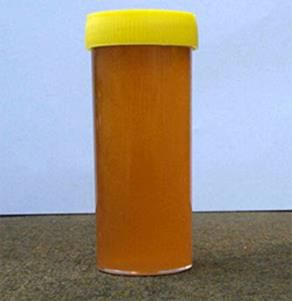
Under the Australian Honey Bee Industry Code of Practice and the Livestock Disease Control Act 1994, beekeepers with 20 or more hives are required to complete an annual Honey Culture Test on a pooled honey sample.
Honey Culture tests can provide early detection of American Foulbrood in your hives and assist in early control and management.
The 2025-2026 Code Compliance reporting section is available through BeeMAX for all beekeepers to complete and record:
- date of last successful completion of Honey Bee Pest and Disease training
- when hive inspections for pests and disease were completed
- details of mite inspections completed and the method used
- current honey culture test results
- that record keeping is being maintained.
We have more information on how to prepare your honey sample on our website.
Are you a chemical supplier to the Victorian beekeeping industry?
Look out for an upcoming detailed email with information specific for suppliers of chemical bee treatments.
If you do not receive this email or know a supplier who didn‘t get this email please contact us to be added to the list.
VBBWG – Victorian Bee Biosecurity Working Group
The Victorian Apiarists’ Association Annual Conference (4-6 June) includes a biosecurity symposium on Saturday 6 June with keynote speakers on varroa resistance and treatment, as well as reviewing the future threat of Tropilaelaps.
Details and registration via the VAA website.
In collaboration with VAA, many bee clubs have appointed varroa specialists to provide advice.
Their contact details are available on the VAA website www.vicbeekeepers.com.au/Club-Varroa-Specialist -Contacts.
To contact your VBBWG industry representatives, visit the VAA website.
Hive disposal and cancelling registration
Are you disposing of, selling or giving away your hives?
In Victoria, beekeepers must notify the Bees Registrar in writing within 7 days if this happens.
Victorian beekeepers can do this through their BeeMAX online diary
You can find information and appropriate forms to use on Selling or Giving away a beehive.